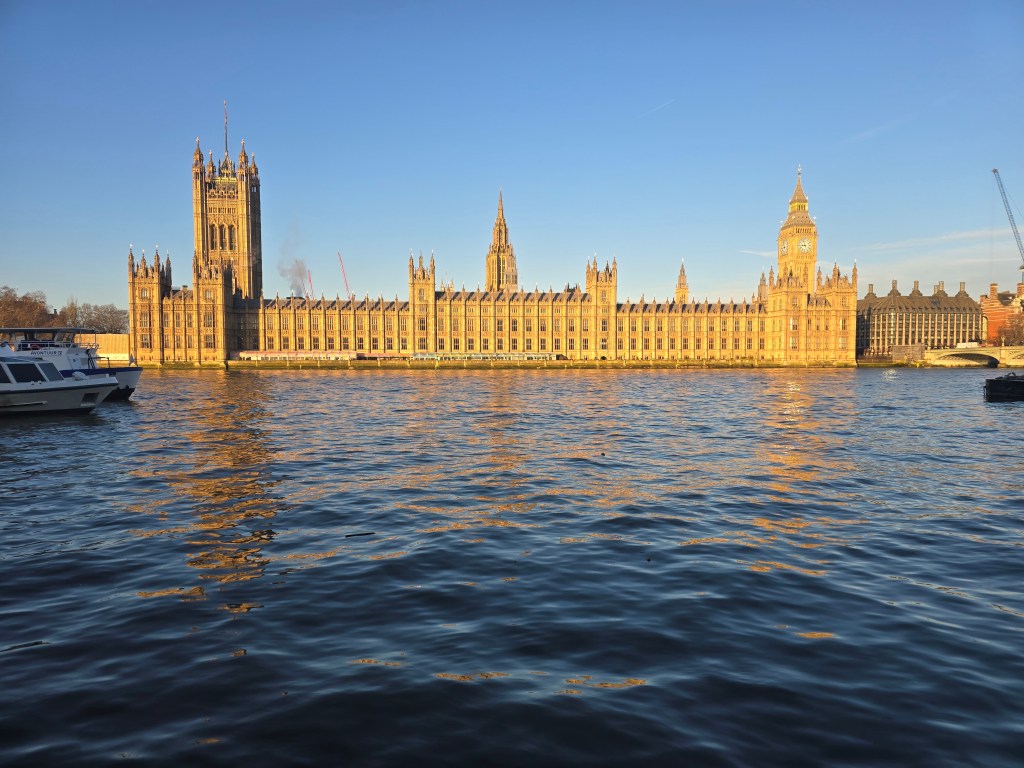
Below is a summary of the debate on the 2nd Reading of the Rare Cancers Bill in the House of Lords – a video of the debate is linked above, and the full text is on Hansard.
Baroness Elliott of Whitburn Bay (Lab) — Bill Sponsor
Main points:
- Introduced and explained the Rare Cancers Bill, thanking Dr Scott Arthur MP, who created it in the Commons.
- Shared personal stories of friends and loved ones affected by rare cancers, including Dame Siobhain McDonagh’s sister Margaret, who died of glioblastoma.
- Explained that although called “rare,” such cancers collectively account for 47% of diagnoses and 55% of cancer deaths.
- Stated that treatments for many rare cancers have not improved for decades.
- Outlined the three clauses of the Bill:
- Review of regulatory framework for orphan cancer drugs.
- Duty on the Secretary of State to promote research, improve trial recruitment, and appoint a national specialty lead.
- Data-sharing powers to enable trial recruitment (within existing safeguards).
- Emphasised the Bill’s broad support and potential to improve survival for many.
Baroness Coffey (Con)
Main points:
- Supported the Bill and shared personal story of a friend with incurable blood cancer.
- Highlighted poorer outcomes for rare cancer patients due to late diagnosis, limited expertise, and fewer trials.
- Praised Dr Scott Arthur’s persistence.
- Welcomed the creation of a national specialty lead and improved regulatory flexibility.
- Asked the Government:
- Whether the abolition of NHS England will affect the Bill.
- About NIHR funding pledges related to cancer trials.
Lord Patel (CB)
Main points:
- Strongly supported the Bill but raised concern about long timelines in the regulatory review.
- Noted that patients with rare cancers “don’t have three years to wait”.
- Called for:
- Adequate funding (currently far too low).
- Universal genomic sequencing of rare tumours.
- A national tumour registry and preservation of tissue for research.
Lord O’Shaughnessy (Con)
Main points:
- Supported the Bill and linked it to the legacy of Tessa Jowell, whose final speech in the Lords inspired major brain cancer initiatives.
- Highlighted successes of the Tessa Jowell Brain Cancer Mission but stressed that outcomes for GBM and other rare cancers remain dire.
- Welcomed:
- Regulatory review.
- Strengthened research duty.
- Better use of patient data.
- Asked Government to finally fulfil the £40m NIHR commitment to brain tumour research.
Baroness Finlay of Llandaff (CB)
Main points:
- Spoke from long palliative-care experience.
- Highlighted the example of ocular melanoma and lack of access to effective treatments such as chemosaturation therapy, funded abroad but not in the UK.
- Emphasised urgency and need for:
- The specialty lead.
- National research coordination.
- Interim access to promising treatments while waiting for full NICE approval.
- Asked when the database and national lead would be operational.
Lord Bourne of Aberystwyth (Con)
Main points:
- Strongly backed the Bill.
- Emphasised need for reform on orphan drug development and research infrastructure.
- Introduced the story of Dan Horrocks, a young parliamentary staffer and four-time brain tumour survivor, to show the human impact.
Baroness Morgan of Drefelin (Lab)
Main points:
- Highlighted shocking survival statistics for cancers like acute myeloid leukaemia.
- Spoke about the lack of trials for rare cancers and the need for investment.
- Supported the Bill’s requirement for:
- National specialty lead.
- Better signposting of clinical trials to patients.
Baroness Browning (Con)
Main points:
- Welcomed the Bill and noted how many “rare” cancers there actually are.
- Said patients struggle to find clinical trials.
- Supported incentivising orphan drugs.
- Asked Government to explain how the new specialty lead will operate in practice.
Lord Kakkar (CB)
Main points:
- Strongly supported the Bill.
- Said poor outcomes are tied to lack of research, coordination, and resources.
- Stressed:
- National lead appointment is essential.
- Regulatory review should be faster than three years.
- Data sharing must be improved.
- Need for genotyping and phenotyping in rare cancer registries.
Lord Blencathra (Con)
Main points:
- Shared his own cancer experience.
- Praised the Royal Marsden for leadership in rare cancer research.
- Suggested that instead of appointing a single “national lead,” the Royal Marsden could lead the national effort due to its expertise.
Lord Mott (Con)
Main points:
- Highlighted regulatory challenges for small patient populations.
- Stressed need for:
- Adaptive licensing.
- International trial data recognition.
- Early dialogue between regulators and researchers.
- Used glioblastoma and rare prostate cancer subtypes as examples.
Baroness Grey-Thompson (CB)
Main points:
- Shared the story of Hugh Menai‑Davis, a 6‑year‑old who died of rhabdomyosarcoma.
- Highlighted trauma experienced by families and parents.
- Called for minimum research targets for paediatric rare cancers.
- Supported fast appointment of the national specialty lead.
Lord Polak (Con)
Main points:
- Shared his own brain tumour experience.
- Emphasised consent issues around use of tumour tissue for research.
- Highlighted the work of the Brain Cancer Justice movement.
- Supported the Bill’s urgency.
Lord Mendelsohn (Lab)
Main points:
- Spoke personally about his wife’s follicular lymphoma and the international research his foundation supports.
- Stressed that UK research funding and infrastructure lag behind other countries.
- Noted CAR‑T treatment access issues in the UK.
- Said the Bill is essential but must be accompanied by broader change.
Lord Randall of Uxbridge (Con)
Main points:
- Spoke on behalf of constituents campaigning on brain tumours.
- Emphasised that the national specialty lead is the most important immediate action.
- Warned against delays caused by amendments to the Bill.
Lord St John of Bletso (CB)
Main points:
- Shared his own early‑stage lung cancer experience.
- Highlighted market failure in rare cancers: treatments aren’t developed because they’re not profitable.
- Supported:
- Regulatory review.
- Data-sharing improvements.
- Noted UK orphan drug availability has fallen behind other countries.
Lord Moylan (Con)
Main points:
- Shared his survival story of metastatic oesophageal cancer.
- Warned against assuming that neglect alone explains slow research; trials are hard because patients die very quickly.
- Supported rapid treatment pathways.
- Welcomed the Bill as a sign that the state is “on the patient’s side.”
Lord Freyberg (CB)
Main points:
- Discussed structural problems with rare cancer research: lack of prior funding prevents future funding.
- Suggested UKRI should create combined funding streams for neglected diseases.
- Highlighted need to use digital technology to improve data analysis and clinical improvement.
- Supported international data collaboration.
Lord Blunkett (Lab)
Main points:
- Supported the Bill and apologised for earlier procedural issue.
- Shared personal reflections and experiences of friends with cancer.
- Said some rare cancers later become common; research now prevents worse outcomes later.
- Urged quick progress to Royal Assent.
Lord Palmer of Childs Hill (LD)
Main points:
- Raised issue of disability benefit delays for young cancer patients.
- Highlighted financial burden on families during treatment.
- Asked Government to remove waiting periods.
Lord Kamall (Con) – Opposition Front Bench
Main points:
- Supported the Bill.
- Summarised its three core aims: research duty, trial access, regulatory review.
- Asked Government:
- How funding decisions for rare research will be prioritised.
- How clinicians will be informed about trials.
- Whether the 3‑year regulatory review could be shortened.
- How rare disease policy will be co‑ordinated more broadly.
Baroness Merron (Lab) – Government Minister
Main points:
- Confirmed full Government support for the Bill.
- Said it aligns with upcoming national cancer plan.
- Stated:
- Tumour sequencing and genetic access will be expanded.
- The £40m NIHR commitment will be exceeded.
- The UK-wide research database is already live.
- The national specialty lead will be appointed “as soon as possible.”
- Indicated Government expects to publish the regulatory review sooner than 3 years even though that’s the legal limit.
- Said work is progressing on legislation to abolish NHS England and transfer roles to the department.
Baroness Elliott — Closing Remarks
Main points:
- Thanked all speakers.
- Reiterated that the Bill is ultimately about hope for families facing rare cancers.
- Paid tribute again to Scott Arthur MP and cancer charities.
- Expressed hope the Bill would pass quickly.
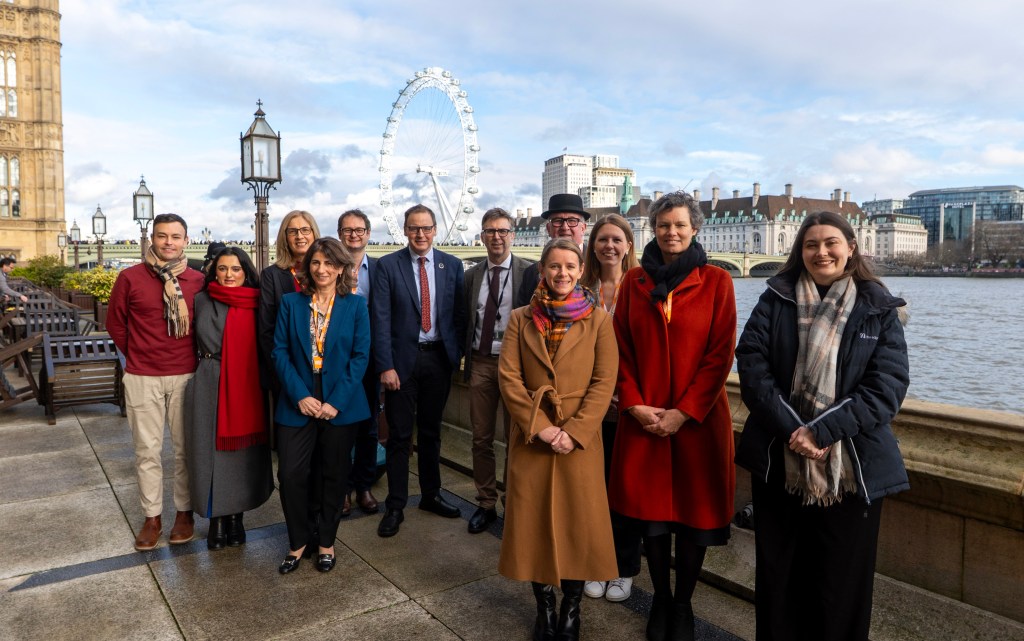

 Dr Scott Arthur