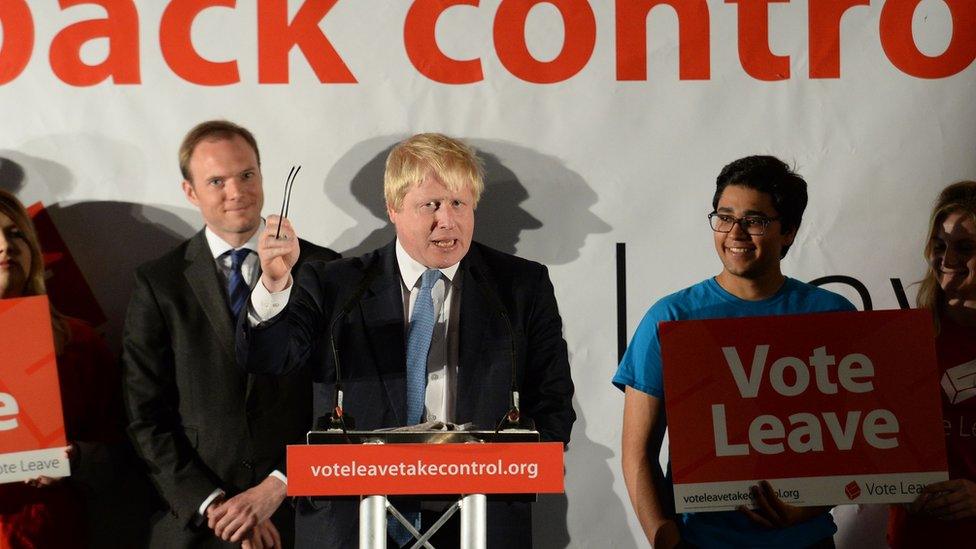

Parliament returns from recess today, and I expect we will spend some of this week (month and year) talking about immigration. I find it particularly disheartening that the loudest voices about immigration right now appear to be the same people who fought hardest for Brexit, which surely is one of the key drivers driver behind the current situation!
Brexit was a disrupter to legal migration – it led to a steep drop in EU migration due to uncertainty, a weaker pound, and the end of free movement. In 2021, the Conservatives introduced a points-based system that treats EU and non-EU migrants equally.
Some 95% of immigrants came to this country legally using regulations implemented by the Conservative government. This drove a rise in non-EU migration, especially from countries like India, Nigeria, and the Philippines—many of whom now work in our NHS, which employs around 275,000 migrants.
Legal migrants typically contribute significantly to the UK workforce
1) EU-born migrants: 82.4% employment rate
2) UK-born population: 74.6%
3) Non-EU migrants: 74.1%.
The UK Government acknowledges, however, that legal and irregular migration levels are not sustainable and is taking steps to reduce all migration. It recognises the need for skilled migrants in the tech sector, universities etc, and accepts its moral and legal duty to offer sanctuary to genuine refugees. It must, however, restore control over the immigration system after inheriting absolute chaos from the Tories – see the foot of this blog for some of the steps it is taking.
Brexit is also key to understanding irregular migration. There’s a worrying amount of misinformation surrounding irregular migration into the UK. While irregular migration remains high, it’s important to keep perspective. Irregular arrivals (around 44,000 in 2024) accounts for less than 5% of total immigration. At the heart of this issue often are vulnerable people who are being exploited by criminal gangs – something the Government is committed to stopping.
While multiple factors contribute to this increase – COVID, conflict, climate change, it’s no coincidence that the sharp rise in irregular migration coincided with the implementation of Brexit in January 2020, when the UK left the EU. The chart below shows the sharp rise in irregular migration since 2020.
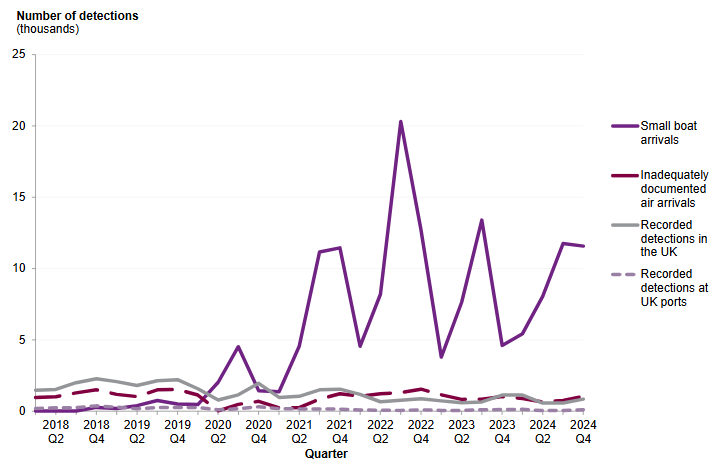
(Chart from here)
Before Brexit, the UK could return asylum seekers to the first EU country they entered under the Dublin Regulation. That agreement no longer applies, making it far harder to return irregular migrants. Smugglers know this, and exploit it. It is bemusing that those politicians who fought for Brexit, choose to ignore this fact and are now trying to blame others for the rise in irregular migration!
One last point – We know that protests relating to immigration are being whipped up by the right, and by the use of misinformation. For many ordinary people, however, the concerns they have are really about how difficult it is to access public services – housing, education, healthcare etc. Perhaps it’s also time for those who have been in power in Westmister & Holryrood over the past decade to admit taht the real driver for that is cuts, not immigration?!
Immigration Policy Changes
Legal Migration Controls
Restoring Control Over the Immigration System
Irregular Migration Measures
- Establishment of the Border Security Command
- Border Security, Asylum and Immigration Bill (2025) – fast-tracks deportations for weak asylum claims
- International cooperation and funding to address root causes
- Bilateral agreements to tackle cross-border organised crime
- Sanctions against smugglers and trafficking networks
- Awareness campaigns in countries like Vietnam
- Crackdown on asylum claims from former student visa holders)

 Dr Scott Arthur