
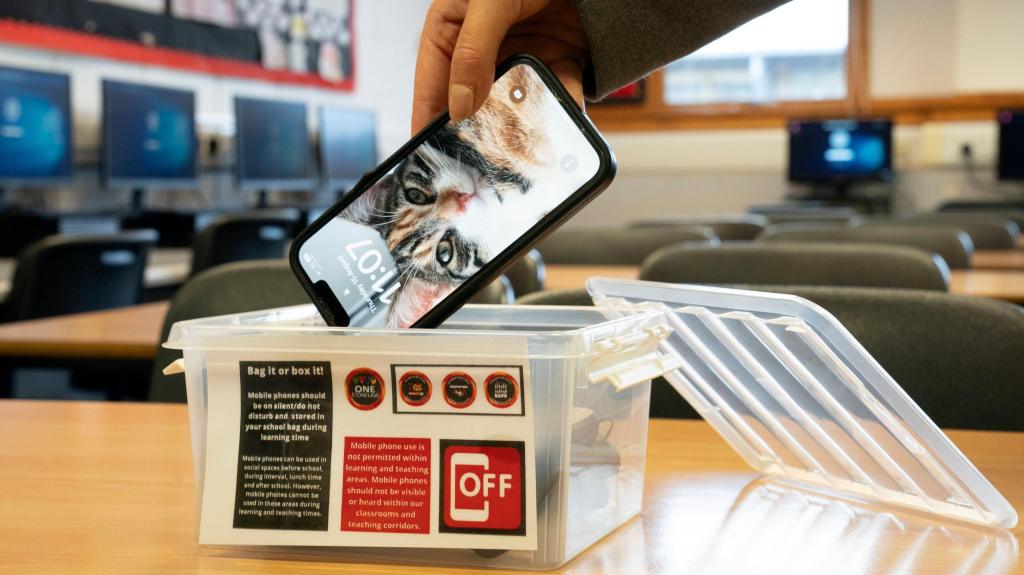
Key Messages
- Persistent communication between students and parents during school hours can undermine student autonomy and teacher authority.
- Overwhelming support from parents and teachers for a ban on smartphone use in schools.
- Any ban would have to be clear, understood and enforced if it is to be effective in the long term.
- Exceptions to any ban may be needed for neurodiverse or anxious students who rely on phones for support.
The Survey Results
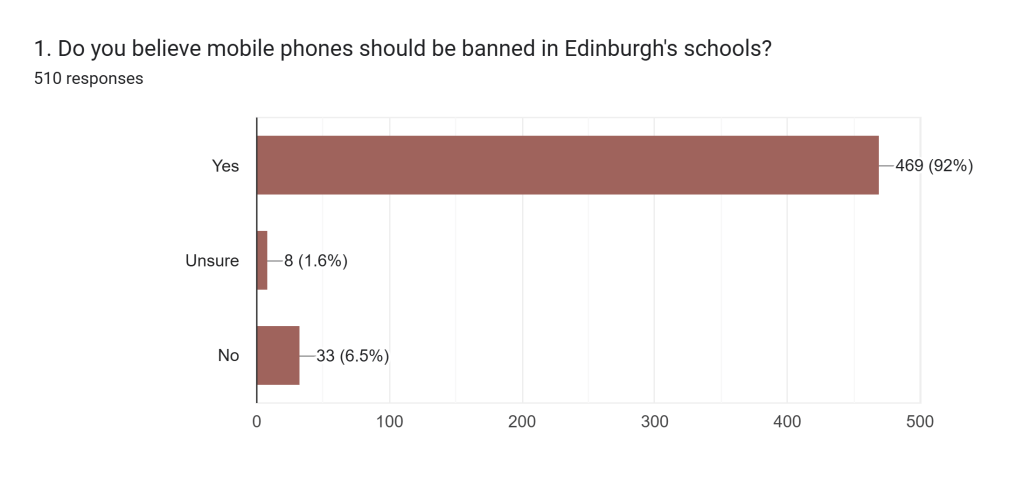
Many thanks to the 507 people who completed my survey on smartphone use in schools (it is still open). In total, 92% supported a ban in schools in some form. When asked a slightly different way, 82% supported a full ban and 17% thought phone access should be allowed at break times.

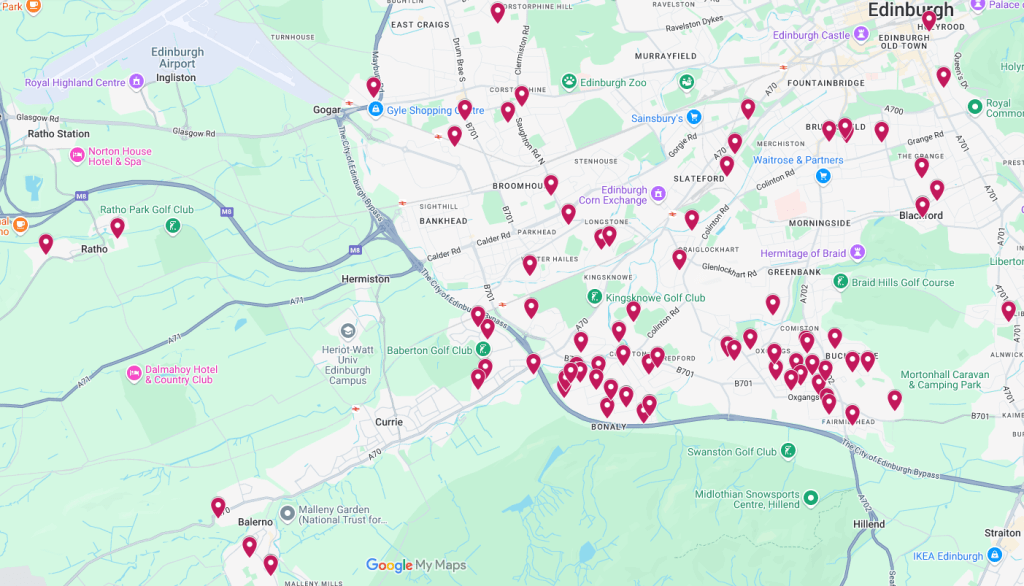
Of the 507 taking part, most (87%) were in the 36-55 age range, and the second biggest age group was 56-70 (7.4%). 106 respondents provided their postcode – the plot below shows the approximate area they live.
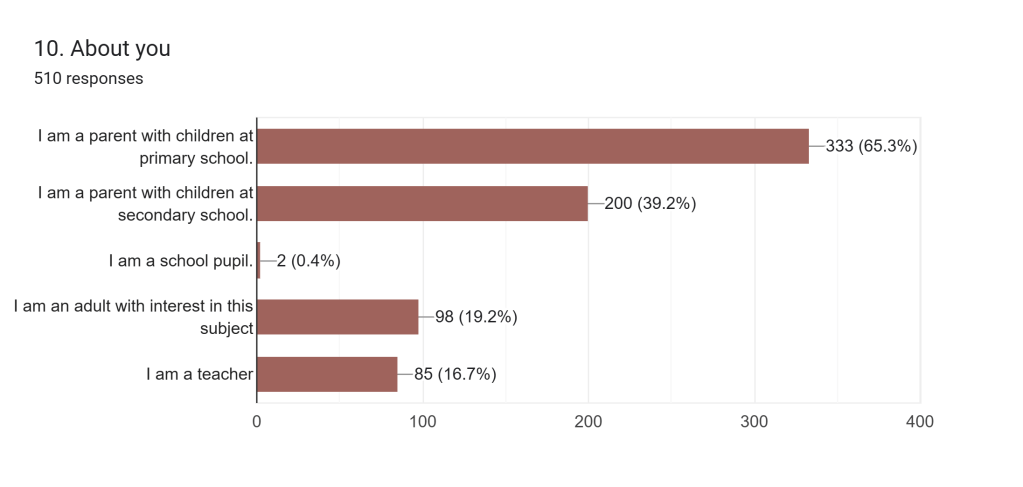
Of the respondents most were the parents of primary school children, and some 19% were teachers. Indeed, some were both parents and teachers.

When asked about alternatives to a full ban on mobile phones in schools, many respondents reiterated their support for a complete ban, citing enforcement difficulties and peer pressure. Suggested alternatives included locking phones away at the start of the day or during lessons using pouches or lockers. Some proposed allowing only basic “dumb” phones or restricting use to emergencies and break times. Others recommended digital safety education, clear rules, and consistent consequences for misuse. A few advocated for softer language—such as using “digital detox” instead of “ban”—to reduce resistance. Concerns were raised about the burden on teachers, the impact on social skills development, and the challenges of enforcing partial measures.
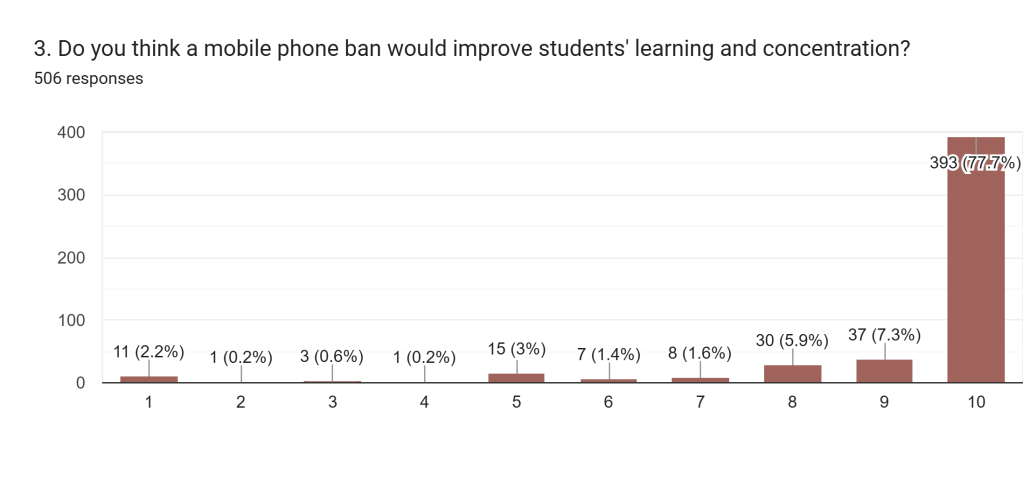
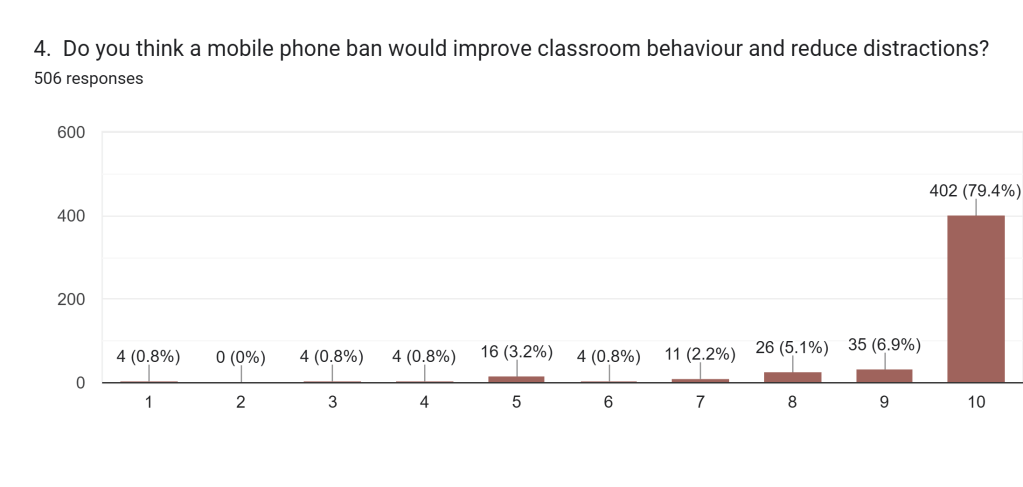
Respondents strongly believed that banning smartphones would improve learning, concentration, classroom behavior, and student wellbeing.
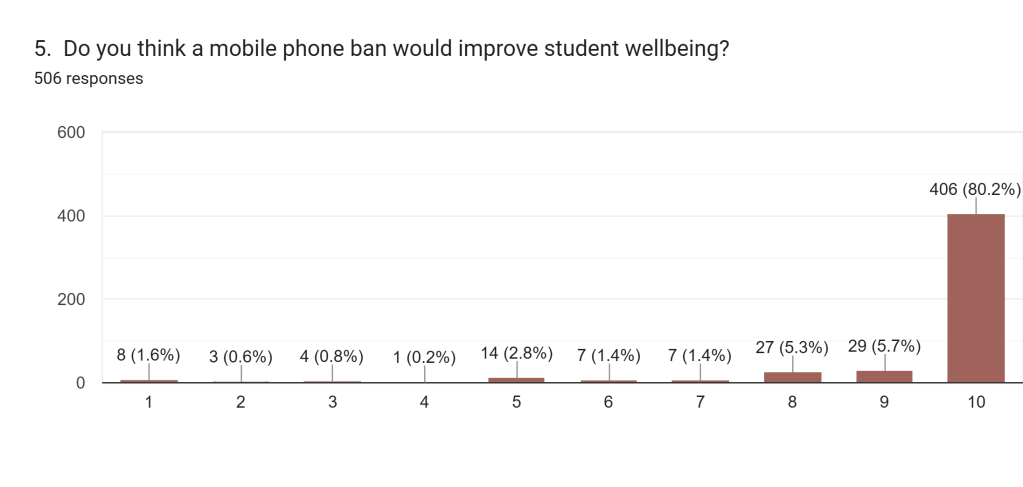
A potential down downside of a ban is that it could affect the ease of communication between students and their parents during school hours. When asked about this, while some respondents worried about reduced communication between students and parents, most felt that such contact should be limited to emergencies and handled through the school office. Many emphasized that students managed well before mobile phones and that school should prioritize learning and independence. Exceptions were noted for neurodiverse or anxious students who rely on phones for support.
More broadly, many linked smartphones to rising anxiety, poor focus, and declining social skills. Teachers and mental health professionals reported significant classroom disruption. A consistent theme was the call for national or council-wide policies to ensure uniform standards.
An important minority expressed concern about the impact on neurodivergent or disabled students, warning that exemptions could lead to stigma. Others argued that deeper societal issues—such as parenting and digital culture—are the root causes of behavioural problems, not phones alone.
There was also criticism of early device use in primary schools, with calls for stronger parental responsibility and government regulation. Overall, the consensus leaned heavily toward limiting smartphone use during school hours to create healthier, more focused learning environments and protect student wellbeing.
The significant number of teachers taking part (17% or 85), many of whom are also parents, means there is an opportunity to compare their views with everyone else. There was broad consensus between teachers and non-teachers that mobile phones are detrimental to learning and wellbeing during school hours. While teachers focused more on practical enforcement and classroom dynamics, non-teachers brought up emotional perspectives. Both groups agreed that while policy clarity and consistency are essential school-facilitated communication should be sufficient. Key points the teachers made were:
- Current inconsistent enforcement of policies leaves them with the burden of policing phone use in classrooms.
- Even in schools with bans, some students still use phones due to lax enforcement.
- Persistent communication between students and parents during school hours undermines student autonomy and teacher authority.
- A need for clearer, enforceable policies with leadership to implement and support bans effectively.
Some non-Teachers expressed:
- Anxiety about not being able to reach their children, especially those with additional needs or health conditions. A few suggested exceptions could be made for some children. Some also suggested the provision of “dumb phones” for emergencies.
- Concerns about the cost of smartphones, especially in primary schools, and how bans could reduce pressure to buy expensive devices.
- Thoughts on other societal factors impacting child behaviour at school including parenting styles, screen addiction, and the role of technology in modern life.
- Some suggested using less confrontational language (e.g., “digital detox” instead of “ban”) to gain broader support.
Conclusion
In conclusion, the survey reveals overwhelming support for restricting smartphone use in schools, with a strong preference for a complete ban. All respondents highlighted the negative impact of phones on learning, wellbeing, and social development. While some raised concerns about communication and inclusivity, most agreed that emergencies can be managed through school offices. The findings underscore a shared desire for consistent, enforceable policies that prioritize student focus and mental health. With both professional and parental voices aligned, there is a clear mandate for action to create healthier, more effective learning environments free from digital distractions.
Additional plots.



 Dr Scott Arthur